EMEC completes 3-in-1 tidal energy, hydrogen and battery demonstration
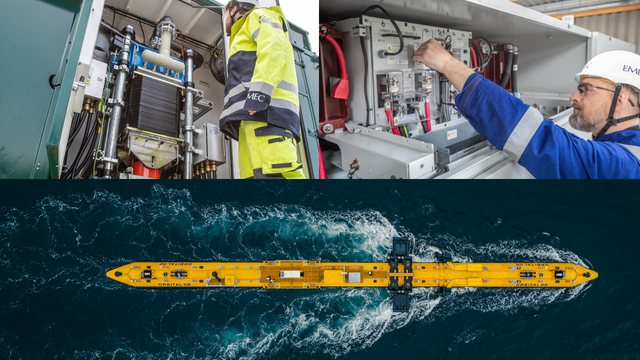
The 3-in-1 system trial integrated tidal energy with vanadium flow batteries and a hydrogen electrolyser (Photo credits: EMEC, Orbital Marine Power)
A world-first demonstration combining tidal power, battery storage and hydrogen production has been completed at the European Marine Energy Centre (EMEC) in Orkney, Scotland.
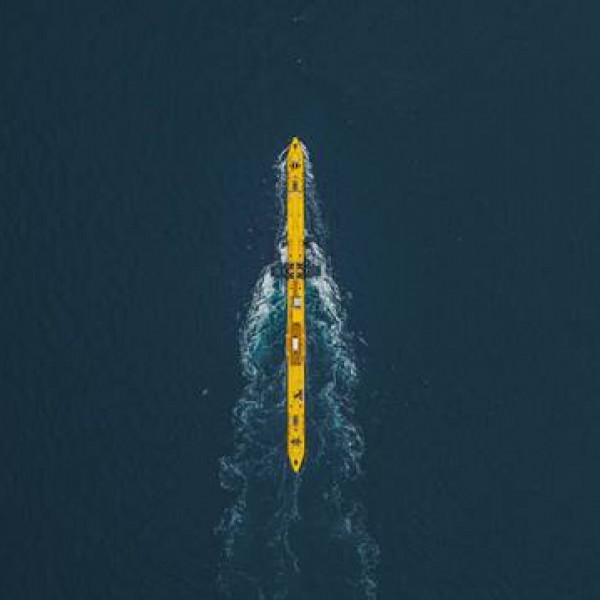
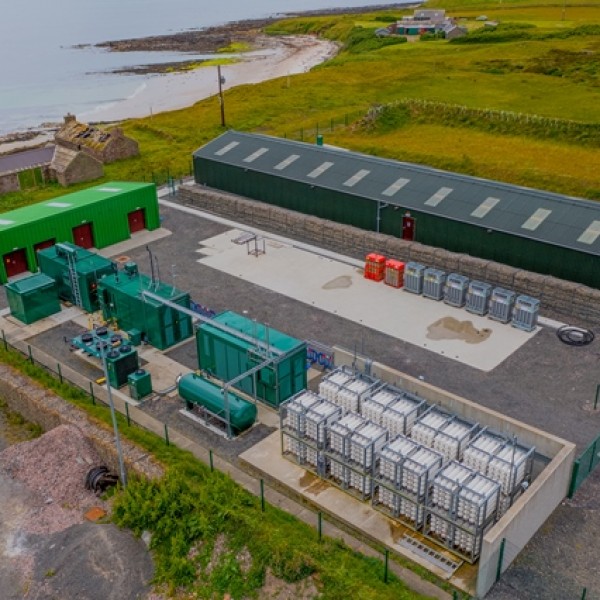
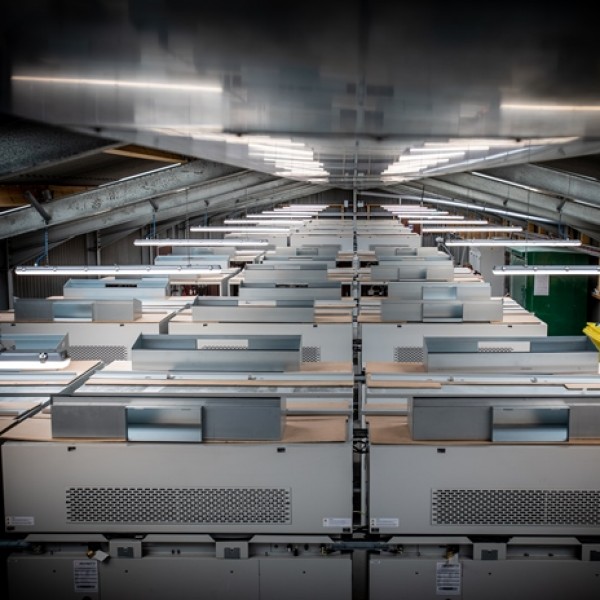
Led by EMEC, the demonstration successfully integrated three technologies – Orbital Marine Power’s O2 tidal turbine, vanadium flow batteries supplied by Invinity Energy Systems, and an ITM Power 670 kW electrolyser, at EMEC’s onshore site on the island of Eday.
Multiple energy flow scenarios were trialled. During high generation periods, power from the O2 was used to charge the battery system, supply electricity directly to the electrolyser and export power to the grid. When tidal generation was low, the battery system discharged power to the electrolyser to keep the electrolyser operating.
This approach effectively smoothed out the cyclical nature of tidal energy, enabling on-demand electricity to power the electrolyser for hydrogen production. In addition, battery power was used to support operations at EMEC’s onshore Caldale site.
This is the first time globally that tidal power, vanadium flow battery storage and hydrogen production technologies have been integrated into a single energy system. This approach could help overcome future grid constraints and open up new offtake opportunities, paving the way for more resilient, responsive renewable energy systems.
All planned operational scenarios were completed, demonstrating the flexibility of the integrated system. Additional safety mitigation measures were put in place during the demonstration and proved effective. As an example, the team responded to an electrolyser trip within seconds to prevent a full site shutdown. The demonstration validated the 3-in-1 concept, highlighted areas for improvement such as battery management and electrolyser controls, and underscored the value of increased automation to minimise human error and enhance system reliability.
The demonstration was part of the Interreg North-West Europe funded project, ITEG, which explored how tidal and hydrogen production could be combined as a solution in coastal areas to overcome grid constraints. It has also been supported with funding from Scottish Government via Highlands and Islands Enterprise, and by the EU-funded FORWARD2030 project which has completed detailed monitoring study into how to optimise the integration of tidal energy and battery storage with hydrogen and other offtake routes.
Graeme Harrison, Head of Marine Energy at Highlands and Islands Enterprise, said:
“HIE and Scottish Government are pleased to have supported the deployment of innovative technologies at EMEC which have combined in this ground-breaking demonstration.
“The project illustrates how the highly predictable flows of power from tidal streams can be successfully harnessed in a variety of forms to meet the energy needs of business and communities throughout Scotland and beyond.”
Leonore Van Velzen, Operations and Maintenance Manager at EMEC said:
“This world-first demonstration represents the culmination of years of effort to integrate tidal energy, battery storage and hydrogen production. Bringing together three innovative technologies was a complex challenge, but reaching this milestone has provided invaluable insights.
“Running all planned scenarios, responding swiftly to an electrolyser trip and identifying opportunities for greater automation have given us a clear roadmap for optimising future systems. The trial also highlights an alternative pathway for tidal energy in scenarios where grid export capacity is limited, a likely feature in the future as we transition to a fully renewable energy system.
“Building on our practical experience with hydrogen, we’re now exploring other offtake routes such as synthetic fuel production using renewable hydrogen as a feedstock, a practical solution to decarbonise hard-to-electrify sectors like aviation and maritime. This is especially relevant to Orkney, and we’re excited to keep driving clean energy innovation.”
Jonathan Marren, CEO at Invinity Energy Systems said:
“This unique project showcases the strengths of our vanadium flow battery technology as a high-cycling, non-degrading and fundamentally safe form of long-duration energy storage. With this exciting demonstration, EMEC have proven the suitability of vanadium flow batteries for two emerging applications in the form of green hydrogen production and tidal power firming.
“We are delighted to have supported EMEC in the delivery of this world first project, integrating our Scottish-made battery technology into cutting edge applications which could form a key part of our future grid networks not only in the UK but globally.”
Andrew Scott, CEO at Orbital Marine Power said:
“Tidal energy offers a predictable source of renewable power, and this demonstration shows how we can unlock its full potential through innovative integration. By maximising generation through battery storage, we minimise curtailment and enable industrial offtake that can achieve higher decarbonisation, creating new markets for tidal energy and providing valuable services like grid balancing.
“This approach will be key as the tidal industry scales globally while strengthening energy resilience for coastal communities.”